Find Us at East Syracuse

Pediatric Eye Care
Healthy vision supports how kids learn, move, and connect with the world around them. Dr. David M. Girardi provides gentle pediatric vision care that helps spot vision issues early and supports your child’s development.
Is your child having trouble seeing?
Kids don’t always know how to describe vision problems, and early signs can be subtle. Squinting, sitting too close to the screen, or struggling with certain tasks might be their way of compensating for a problem they can’t explain. If something seems off, it’s worth having their eyes checked.
Signs your child may have a vision problem
-
Avoids reading or close-up work like coloring or puzzles
-
Seems to lose focus or struggles to follow directions
-
Complains of tired eyes or headaches
-
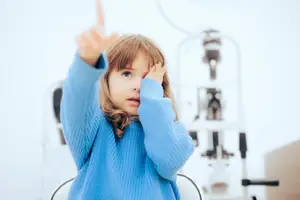
Covers one eye or tilts head while looking at something
-
Is sensitive to light
-
Has trouble with hand-eye coordination or tracking
Common eye disorders in children
Children’s vision can be affected by how their eyes develop, how the brain and eyes work together, or by certain medical conditions. The good news is that most common eye issues can be identified early and treated effectively.
Types of Common Eye PEdiatric Disorders
Many childhood vision conditions sound more concerning than they actually are, and most can be treated effectively, especially when caught early. If your child is diagnosed with one of these common issues, you’re not alone, and there’s a clear path forward.
-
Strabismus – This occurs when the eyes don’t line up properly (sometimes called “crossed eyes”). With early care, many children respond well to treatment.
-
Amblyopia – Often called “lazy eye,” this condition involves reduced vision in one eye. It’s one of the most treatable vision issues when addressed before age 8.
-
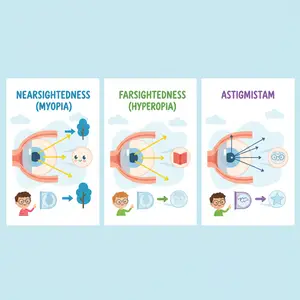
Refractive errors – These are very common and usually corrected with glasses or contacts:
-
Myopia – Difficulty seeing things at a distance
-
Hyperopia – Difficulty seeing things up close
-
Astigmatism – Blurry or distorted vision at any range
-
Most of these conditions are easily managed with the right care plan and follow-up, and Dr. Girardi is here to walk you through every step.
Eye exam schedule for kids
Eye exams are an important part of your child’s health, even if they don’t wear glasses. Vision screenings at school aren’t the same as a full eye exam. With regular care, many vision problems can be caught before they interfere with learning or development.
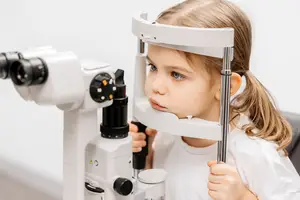
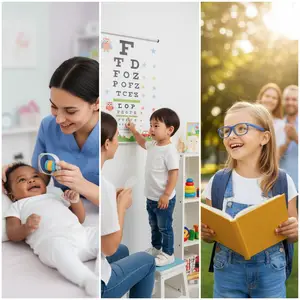
When to Schedule Your Child's Eye Exam
-
Between 6 and 12 months
-
At age 3
-
Before starting school
-
Every other year during school years (or annually if recommended)
Support Your Child's Vision
Your child’s vision plays a big role in how they explore, learn, and grow. A routine eye exam is a small step that can make a big difference. Schedule today to stay ahead of any issues and support their success.