Find Us at East Syracuse

Myopia Control
Slowing myopia now can help protect your child’s vision for the future, with treatments designed to support how they grow, learn, and see every day.
Myopia Is Increasing in Children & What You Can Do About It
Myopia is a growing concern in the U.S. and worldwide. More screen time and less outdoor activity are key contributors. Children who develop myopia early are more likely to experience severe nearsightedness as they grow, increasing their lifetime risk of retinal detachment, glaucoma, and other serious conditions.
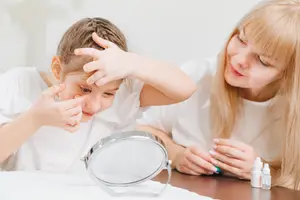
Soft Multifocal Lenses Help Slow Myopia Progression
Multifocal contact lenses have different focusing zones that help reduce the eye’s natural tendency to elongate, a key factor in myopia progression.
Children wear these lenses during the day, just like standard soft contacts. FDA-approved options like MiSight® have shown strong results, reducing myopia progression by up to 50–60% in many studies. These lenses are a great option for children who are comfortable wearing contacts and want freedom from glasses.
Overnight Ortho-K Lenses for Daytime Freedom and Myopia Control
Orthokeratology (Ortho-K) lenses are worn overnight to gently reshape the cornea while your child sleeps. In the morning, the lenses are removed, and your child can see clearly throughout the day, no glasses or contacts needed.
In addition to providing clear, daytime vision, Ortho-K has also been shown to slow the progression of myopia in school-aged children. It’s an excellent choice for active kids who don’t want to wear correction during the day.
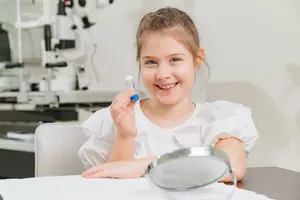

Low-Dose Atropine Drops: A Simple Option for Managing Myopia
Atropine eye drops, used once nightly, can help slow how quickly myopia progresses. These low-dose drops work by gently relaxing the eye’s focusing system and are well-tolerated by most children.
Atropine can be used on its own or combined with other methods like Ortho-K or multifocal lenses to enhance results. It’s a convenient, non-invasive option for families looking for an easy addition to their child’s routine.
Let’s Talk About a Myopia Control Plan That Works for Your Child
Every child’s eyes are different, and so is every treatment plan. Dr. Girardi takes time to evaluate your child’s vision, eye structure, and lifestyle to determine which myopia control strategy makes the most sense.